Highways are full of brands, all rolling by at 65 miles an hour. For long-haul fleets, every mile can either be empty space or smart marketing that works all day, and all night. Trailer wraps and truck wraps turn your equipment into moving billboards that keep your name in front of drivers, customers, and communities, and, with the right strategy, they can redefine your brand’s resonance and visibility in every market you touch.
The big question is, how to use each asset in the best way. When should you lean into fleet trailer graphics, and when should the focus be on the tractors and trucks themselves? Here at American Graphics & Signs, we partner with fleets across the country to make sure both pieces of the puzzle are pulling their weight. Together, we match creative ideas with practical execution so every vehicle becomes part of a powerful, unified story. In this article, we will look at design choices, material options, and durability factors that help your wraps stay sharp on long routes, from early spring storms to summer heat.
Trailer Wraps vs. Truck Wraps at a Glance
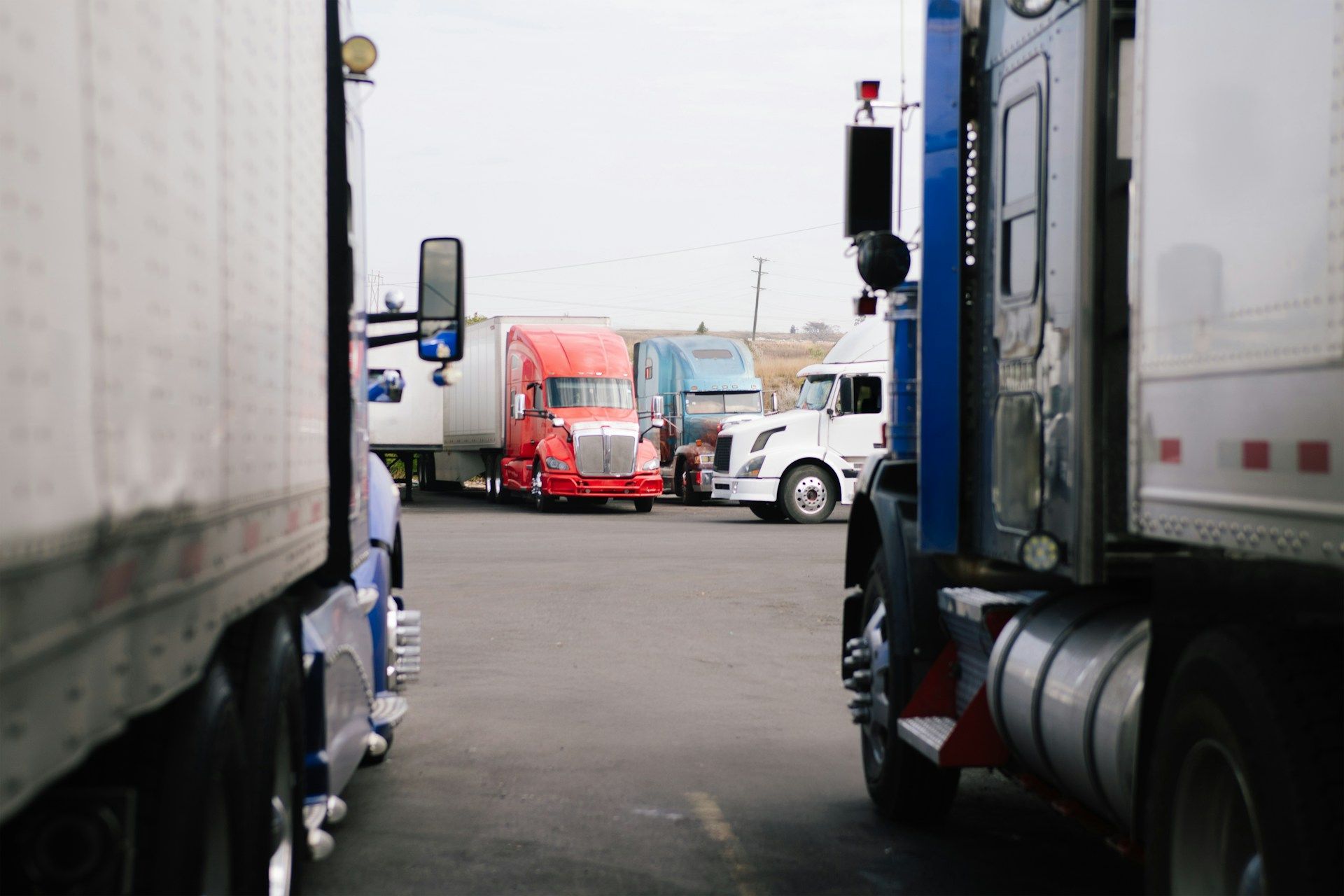
Trailers and trucks do different jobs for your brand, even when they are hooked together. A trailer is often a huge, rolling canvas spending long stretches on highways and at large distribution centers. A truck or tractor is usually more visible up close, at fuel stops, shipper yards, city streets, and customer locations.
So how do they differ in practice?
• Trailers:
• Big surfaces built for bold logos and strong color that carry your brand across regions
• Seen from farther away on highways and in large yards
• Great for simple, consistent brand identity across lanes that boosts long-range visibility
• Trucks and Tractors:
• Seen closer, in traffic and at job sites
• Better for messages that need quick reading at shorter distances
• Often carry details like web addresses, key services, or recruiting messages
Many fleets get the best results by blending both. Trailers carry the large, repeatable identity, while tractors and box trucks add more focused information. The look stays unified, but each vehicle type plays to its strengths. That way, your fleet trailer graphics support long-haul awareness, and your trucks support everyday recognition in local streets. Working together, they create an energetic, always-on brand presence that turns routine routes into confident, high-visibility campaigns.
Designing for Long-Haul Impact and Readability
On busy roads, you only get a few seconds of attention. Design has to be bold, clear, and easy to read from a distance. That is true for both trailers and trucks, but each has its own sweet spot.
For long-haul trailers, we usually aim for:
• Big, simple logos that fill the panel and anchor your brand in traffic
• Strong color contrast so the design pops against the sky and road
• Short taglines or no tagline at all for instant readability
• Large hero images that still read well when cropped by doors or equipment
For tractors, box trucks, and service trucks, we often shift priorities a bit:
• Clean brand identity that matches the trailers
• Simple calls-to-action that people can remember after the truck passes
• Local or regional details where it makes sense
• Clear side and rear layouts that work in traffic or in tight yards
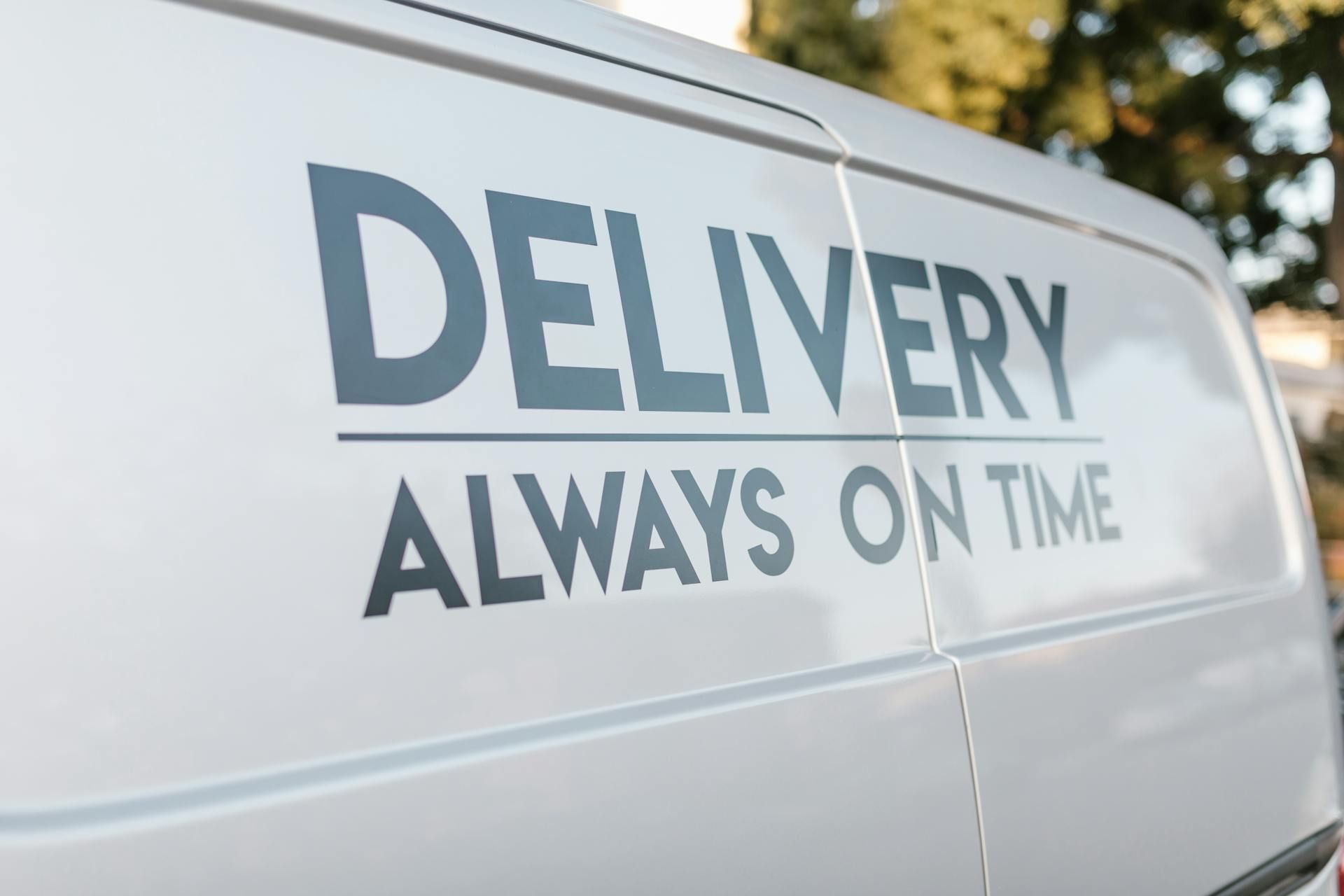
Real vehicles are not blank, flat walls, and that matters for design. Doors cut through graphics, rivets dot the surface, and some bodies have corrugations or vents. Cab contours, fuel tanks, and fairings add even more complexity. Our design team builds around these details so:
• Key text stays away from hinges, seams, and handles
• Logos are not broken up by roll-up doors or side rails
• Complex shapes still feel clean and intentional
By blending creativity with real-world constraints, we help your fleet stand out without sacrificing function. We work closely with your marketing and operations teams so the final system scales from a single pilot unit to a nationwide fleet without losing power, clarity, or that strong sense of shared brand purpose.
Choosing the Right Materials for Demanding Routes
A smart design needs the right material behind it, especially on long-haul and mixed-weather routes. Different vehicles and surfaces call for different vinyl and laminate options.
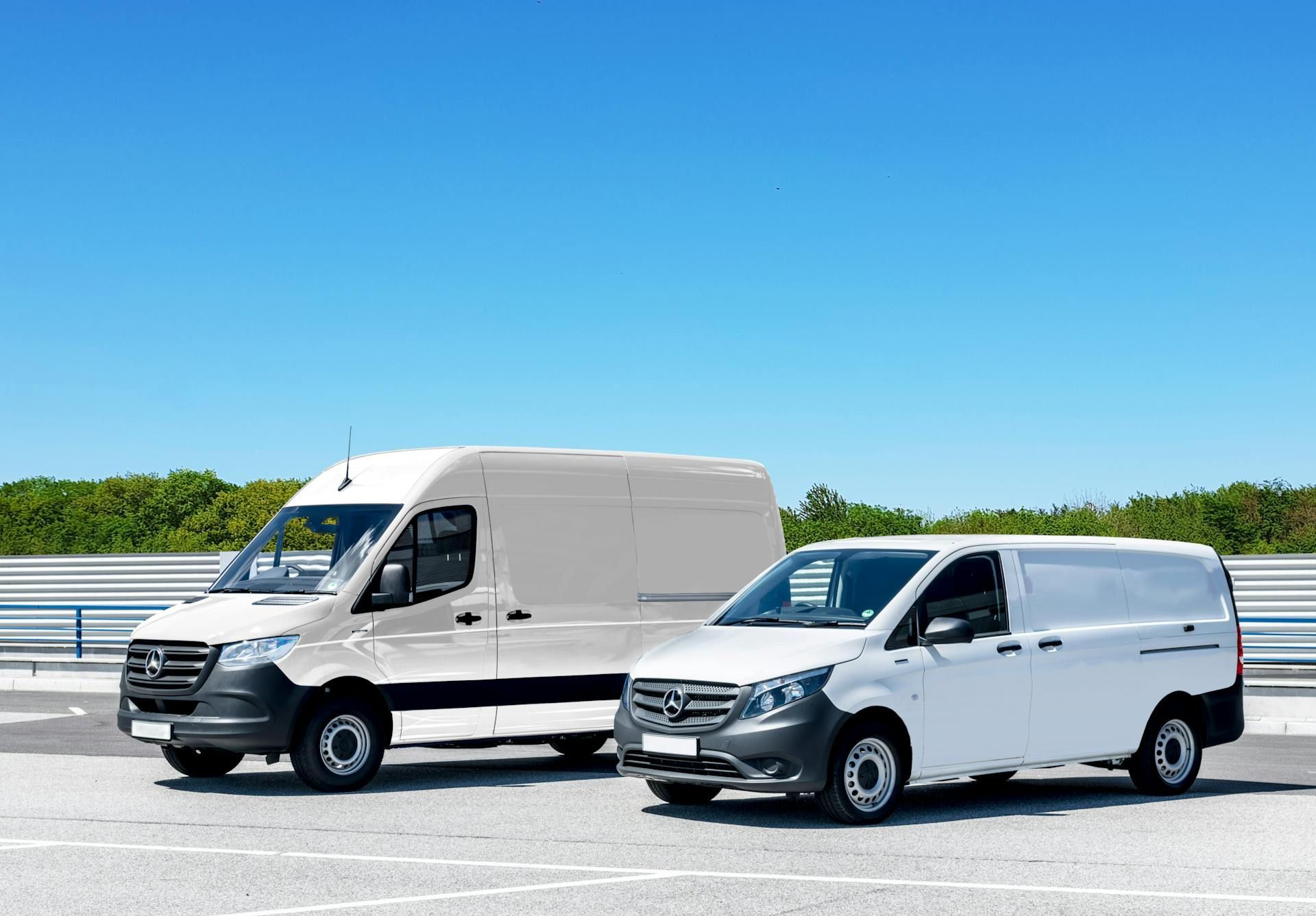
On smooth trailer sides that run heavy highway miles, high-quality cast vinyl with UV-resistant inks and protective laminate is usually the best match. It is built to handle expansion and contraction, as well as constant sun and road grime. For regional or urban trucks that may see more tight turns, bumps, and frequent washing, we still want strong materials that can flex with panels and edges.
A few factors we pay attention to:
• Surface type: smooth dry vans, refrigerated trailers, box trucks, or tractors with curves and contours
• Vehicle age: older equipment may show more wear, which can impact adhesion
• Expected routes: long, sunny runs, colder northern lanes, or mixed coastal climates
Early spring is a popular time to plan installs, but it also brings challenges like cold mornings, moisture, and road salt. We time installations and use techniques that help vinyl bond well despite the weather. Then, as summer heat rolls in, the laminates help protect color and finish. Our nationwide installer network follows tested best practices so results stay consistent, whether the unit is wrapped in Michigan, Texas, or anywhere in between.
By aligning material choices with your routes and refresh goals, we help you protect both image and investment, keeping your fleet looking strong and confident season after season.
Durability, Maintenance, and Total Cost of Ownership
A good wrap should not just look great on day one. It should hold up under:
• Highway speeds and constant airflow
• Loading docks and tight backing situations
• Regular truck washes
• UV exposure from long days in the sun
• Shifting weather from rain to heat to freezing nights
High-quality wraps on both trailers and trucks are designed to last for years under real-world use, as long as they are cared for. Basic maintenance goes a long way. We typically suggest:
• Regular washing with mild soap and soft brushes or cloth
• Avoiding harsh chemicals or aggressive power washing on edges
• Checking for lifted corners or chips so small issues do not spread
When it comes to total cost of ownership, it helps to think in terms of wrap style and refresh timing:
• Full wraps: maximum impact and brand control on large surfaces
• Partial wraps: strong branding focused on key zones
• Spot graphics and decals: ideal when equipment rotates or branding might change sooner
For large fleets, planning refresh cycles across both trailers and trucks keeps the whole operation looking cared for and professional. Clean, consistent fleet trailer graphics and truck wraps send a quiet but strong message: this company pays attention and takes pride in its equipment.
When we map out those cycles together, you gain predictable costs, extended brand life, and wraps that continue to elevate your visibility, not just maintain it.
Nationwide Consistency Through Smart Fleet Planning
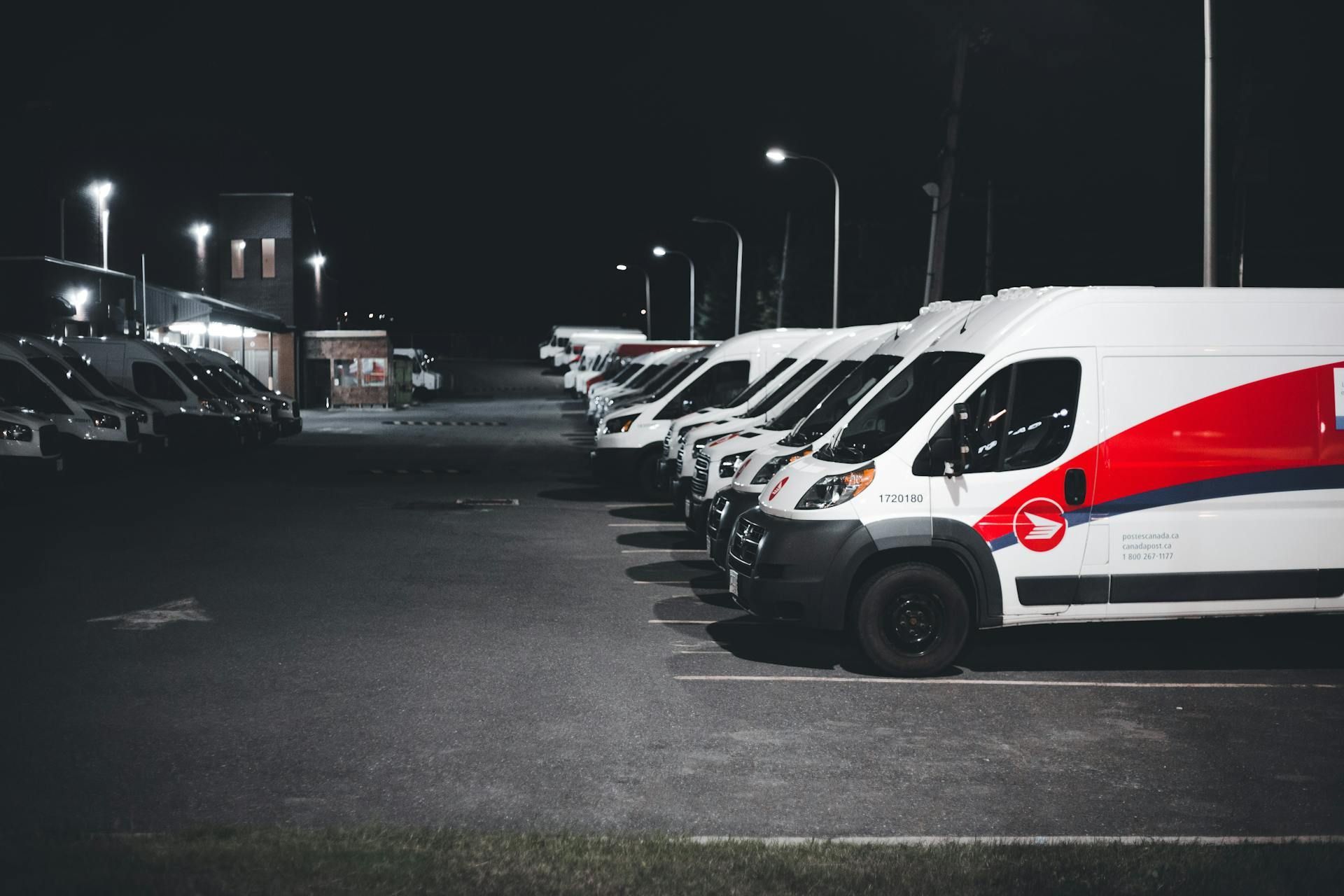
When your equipment runs coast to coast, consistency is its own kind of power. That starts with clear brand guidelines for both trailers and trucks, including:
• Exact color values and finish preferences
• Logo placement on sides, rear, and sometimes roof
• Typography rules and minimum sizes for readability
• Standards for photography or illustration styles
Centralized planning does not mean everything has to be done in one place. It means one team manages design files, material specs, and installer instructions while local crews wrap units close to where they operate. That helps fleets cut downtime while still keeping the look unified.
Smart rollout strategies can include:
• Pilot units on key lanes to test visibility, driver feedback, and customer response
• Phased rebranding as trailers cycle through maintenance
• Timing installs with new vehicle deliveries
Data can help steer choices too. If certain lanes run through intense sun or snow, those might get full wraps with the most durable packages. Units that sit in high-visibility yards might get bolder graphics on the most visible sides. By planning trailers and trucks together, fleets can build a wrap program that works hard on every mile and every stop.
Most importantly, we approach this as a collaboration. You bring the routes, goals, and brand story; we bring the materials, design insight, and installation network. Together, we create fleets that move with purpose, turning everyday miles into rich, powerful touchpoints that strengthen your brand everywhere you run.
Get Started With Your Project Today
Transform your vehicles into powerful advertising assets with custom
fleet trailer graphics designed to fit your brand and budget. At American Graphics & Signs, we collaborate with you to create high-impact visuals that work hard on the road every day. Reach out so we can review your fleet needs, timelines, and goals together. If you are ready to move forward, simply
contact us and we will guide you through the next steps.