QA/QC Framework for Nationwide Fleet Graphics Rollouts

May 4, 2026

Share this article

Precision Rollouts That Turn Fleets Into Brand Champions


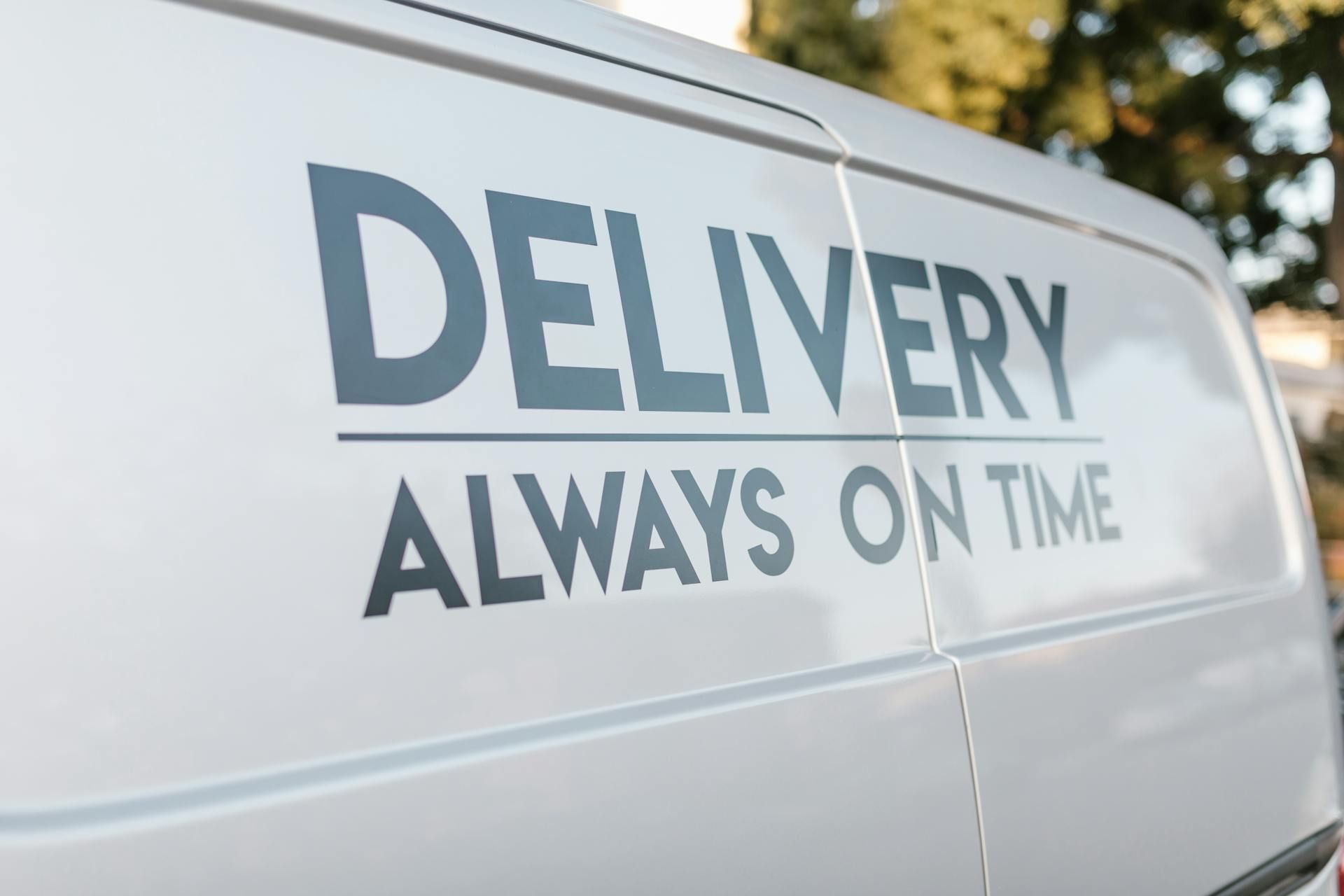
Every truck, van, and trailer you own is a rolling ad. The design matters, but the real power comes from how precisely that design gets installed on every single unit, in every single market. When the work is tight and consistent, your fleet looks like one strong, confident brand moving across the country.


Nationwide fleet graphics can either lift that brand or slowly weaken it. If one region has crisp, aligned wraps and another has crooked logos and lifting corners, customers notice, even if they cannot explain why. Our goal is to share a clear QA and QC framework so your next rollout feels more like a well-run relay race and less like a scramble.


As we head into early summer, your vehicles are out more, traffic is heavier, and events are stacked on the calendar. This is the moment to lock in a reliable system so every unit that leaves the yard carries your brand with strength, not guesswork.


Why QA/QC Makes or Breaks Nationwide Fleet Graphics


When graphics are off, the whole brand starts to look shaky. You see it in:


  • Logos that shift from truck to truck 
  • Colors that look warm in one city and cold in another 
  • Stripes that ride uphill on some units and downhill on others 
  • Edges that peel, bubble, or collect dirt


Each one of those issues chips away at trust. Instead of one clear message, the fleet starts sending mixed signals every mile it runs.


A strong QA/QC framework changes that. It turns your nationwide fleet graphics into a predictable system that works the same in hot, humid yards as in cold, dry ones. The point is not only to catch mistakes at the end. It is to engineer consistency from the start by lining up:


  • Brand standards that are clear and visual 
  • Installer performance that is measured and coached 
  • Vehicle differences that are planned for, not treated as surprises 


When those parts move together, every unit, in every city, reads as one brand voice.


Building Rock-Solid Checklists for Every Vehicle and Site


Generic checklists are one of the fastest ways to lose control. A tractor is not a box truck. A trailer is not a service van. Each class brings its own shapes, rivets, seams, and problem spots, so they need their own playbook.


We like to build tiered checklists that follow the job from start to finish.


Pre-production checklists might include: 


  • Art approvals and matching to brand standards 
  • Paneling plans that match the body style 
  • Color proofing that considers real-world light 
  • Substrate selection for climate and route type 


On-site arrival checklists focus on conditions: 


  • Vehicle condition and cleanliness 
  • Surface prep standards, including cleaning steps 
  • Temperature and weather checks, especially for outdoor installs 
  • Safety rules and staging area plans 


During installation, the checklist goes deeper: 


  • Exact panel order, so seams land where they should 
  • Agreed tools and techniques for squeegee and heat 
  • Planned seam locations away from high-stress edges 
  • Cut-around rules for rivets, handles, sensors, and fuel doors 


Post-installation, we slow down for a full check: 


  • Walk-around inspections from multiple angles 
  • Bubble and wrinkle thresholds that are defined, not guessed 
  • Door, hinge, and compartment tests for clear movement 
  • Installer and site confirmation that all steps were followed 


When the same lists are used at every location, graphics do not just look right on day one. They keep their clarity and strength mile after mile.


Setting Clear Tolerances and Acceptance Criteria That Stick


"Tolerances" can sound technical, but it is just about how much wiggle room is allowed and where. Without these rules, you get long debates about small issues, and sign-offs slow to a crawl.


Some common examples by vehicle class:


For tractor doors: 


  • Logo centered within a tight band both up and down and side to side 
  • Consistent gaps to panel edges and door seams 
  • Badge or number placement lined up with body lines


For trailers: 


  • Fixed distance from top rail to the top of the graphic 
  • Panel overlaps that are consistent across the whole fleet 
  • Clear rules for how to handle rivets and crossmembers


For vans and service vehicles: 


  • Alignment with body lines and window edges 
  • Set margins from glass, handles, cameras, and sensors 
  • Safe clearances for doors that slide or swing


Acceptance criteria then spell out what must be true before a unit is approved, such as: 


  • Maximum bubble size and count by zone 
  • Required edge-seal coverage in high stress areas 
  • Standards for corners, curves, and recessed panels 


When everyone shares these measurements, gray areas shrink. Brand teams and installers speak the same language, approvals move faster, and quality stays steady.


Photo Audits and Digital Reporting That Keep Everyone Honest


Good photo audits turn every install into a clear record. This is not about catching someone out. It is about giving the whole team one set of eyes.


A solid photo protocol usually includes: 


  • Full shots from front, rear, driver, and passenger sides 
  • Angled photos that show how graphics run across curves 
  • Close-ups of seams, edges, rivets, and tricky areas 
  • Confirmation shots of VIN or unit ID


Standard photo rules matter just as much as the angles. We want: 


  • Consistent distance and framing so details are visible 
  • Enough light to see color and surface, without heavy glare 
  • Focused images, not quick snaps that blur key spots 


When those photos are tied to digital reporting tools, the story gets even stronger. Each unit can carry its own history: which installer handled it, which materials were used, what the weather was like, and when the work was done. That record supports warranty claims, pattern tracking, and honest talks about performance across the network.


The result is more trust, not less. Installers know what is expected and how they will be graded. Corporate teams know how their brand looks out in the field, from Miami heat to Minneapolis cold.


Coordinating Installers as One High Performing Team


Nationwide fleet graphics usually mean multiple installers, multiple yards, and a tight window, especially as late spring turns into a busy summer on the roads. Without a plan, that can feel chaotic.


The key is a unified playbook that keeps everyone working the same way: 


  • Shared brand standards with clear visuals 
  • Vehicle-specific install guides, not guesswork 
  • QA/QC checklists that match the work in the field 
  • Photo audit rules that are simple and repeatable 


Installer qualification is just as important. That can include sample units before the main rollout, review of the first wave of photos, and simple scorecards that track acceptance rates and rework. The tone should be athletic and supportive: we all want better times, cleaner work, and smoother handoffs.


At AGS SEO, supporting American Graphics & Signs, we focus on that orchestration. From shipping graphics kits to lining up timelines across regions, we aim to run the rollout like a relay: fast, coordinated, and under control, so you can stay focused on the bigger brand strategy.


Turning Your Next Rollout Into a Precision-Built Showcase


Your fleets and facilities are more than moving boxes and static walls. They are a nationwide stage. Every sign and graphic can sharpen your brand's voice or blur it, unit by unit.


When you start with QA/QC first, everything else gets lighter. Checklists, tolerances, photo audits, and clear acceptance criteria give your team and your partners a strong track to run on. Future rebrands, seasonal campaigns, and fleet expansions all move faster and hit harder, because the system is already in place.


AGS SEO and American Graphics & Signs work with marketing, operations, and fleet teams that care about that level of precision. Together, we can design a custom QA/QC framework and coordinate nationwide fleet graphics that feel like a shared win, not a grind. With the right system and the right partner, thousands of moving assets can act like one strong, confident brand, vehicle by vehicle, market by market, mile after mile.


Get Started With Your Project Today


Transform your vehicles into powerful, consistent branding assets with our custom Nationwide fleet graphics solutions. At AGS SEO, we work closely with you to align every design with your brand standards and marketing goals. Share a few details about your fleet and locations, and we will recommend a tailored strategy that fits your timeline and budget. Ready to move forward on your next project? Contact us to get your quote and production schedule started.

Precision Rollouts That Turn Fleets Into Brand Champions


Every truck, van, and trailer you own is a rolling ad. The design matters, but the real power comes from how precisely that design gets installed on every single unit, in every single market. When the work is tight and consistent, your fleet looks like one strong, confident brand moving across the country.


Nationwide fleet graphics can either lift that brand or slowly weaken it. If one region has crisp, aligned wraps and another has crooked logos and lifting corners, customers notice, even if they cannot explain why. Our goal is to share a clear QA and QC framework so your next rollout feels more like a well-run relay race and less like a scramble.


As we head into early summer, your vehicles are out more, traffic is heavier, and events are stacked on the calendar. This is the moment to lock in a reliable system so every unit that leaves the yard carries your brand with strength, not guesswork.


Why QA/QC Makes or Breaks Nationwide Fleet Graphics


When graphics are off, the whole brand starts to look shaky. You see it in:


  • Logos that shift from truck to truck 
  • Colors that look warm in one city and cold in another 
  • Stripes that ride uphill on some units and downhill on others 
  • Edges that peel, bubble, or collect dirt


Each one of those issues chips away at trust. Instead of one clear message, the fleet starts sending mixed signals every mile it runs.


A strong QA/QC framework changes that. It turns your nationwide fleet graphics into a predictable system that works the same in hot, humid yards as in cold, dry ones. The point is not only to catch mistakes at the end. It is to engineer consistency from the start by lining up:


  • Brand standards that are clear and visual 
  • Installer performance that is measured and coached 
  • Vehicle differences that are planned for, not treated as surprises 


When those parts move together, every unit, in every city, reads as one brand voice.


Building Rock-Solid Checklists for Every Vehicle and Site


Generic checklists are one of the fastest ways to lose control. A tractor is not a box truck. A trailer is not a service van. Each class brings its own shapes, rivets, seams, and problem spots, so they need their own playbook.


We like to build tiered checklists that follow the job from start to finish.


Pre-production checklists might include: 


  • Art approvals and matching to brand standards 
  • Paneling plans that match the body style 
  • Color proofing that considers real-world light 
  • Substrate selection for climate and route type 


On-site arrival checklists focus on conditions: 


  • Vehicle condition and cleanliness 
  • Surface prep standards, including cleaning steps 
  • Temperature and weather checks, especially for outdoor installs 
  • Safety rules and staging area plans 


During installation, the checklist goes deeper: 


  • Exact panel order, so seams land where they should 
  • Agreed tools and techniques for squeegee and heat 
  • Planned seam locations away from high-stress edges 
  • Cut-around rules for rivets, handles, sensors, and fuel doors 


Post-installation, we slow down for a full check: 


  • Walk-around inspections from multiple angles 
  • Bubble and wrinkle thresholds that are defined, not guessed 
  • Door, hinge, and compartment tests for clear movement 
  • Installer and site confirmation that all steps were followed 


When the same lists are used at every location, graphics do not just look right on day one. They keep their clarity and strength mile after mile.


Setting Clear Tolerances and Acceptance Criteria That Stick


"Tolerances" can sound technical, but it is just about how much wiggle room is allowed and where. Without these rules, you get long debates about small issues, and sign-offs slow to a crawl.


Some common examples by vehicle class:


For tractor doors: 


  • Logo centered within a tight band both up and down and side to side 
  • Consistent gaps to panel edges and door seams 
  • Badge or number placement lined up with body lines


For trailers: 


  • Fixed distance from top rail to the top of the graphic 
  • Panel overlaps that are consistent across the whole fleet 
  • Clear rules for how to handle rivets and crossmembers


For vans and service vehicles: 


  • Alignment with body lines and window edges 
  • Set margins from glass, handles, cameras, and sensors 
  • Safe clearances for doors that slide or swing


Acceptance criteria then spell out what must be true before a unit is approved, such as: 


  • Maximum bubble size and count by zone 
  • Required edge-seal coverage in high stress areas 
  • Standards for corners, curves, and recessed panels 


When everyone shares these measurements, gray areas shrink. Brand teams and installers speak the same language, approvals move faster, and quality stays steady.


Photo Audits and Digital Reporting That Keep Everyone Honest


Good photo audits turn every install into a clear record. This is not about catching someone out. It is about giving the whole team one set of eyes.


A solid photo protocol usually includes: 


  • Full shots from front, rear, driver, and passenger sides 
  • Angled photos that show how graphics run across curves 
  • Close-ups of seams, edges, rivets, and tricky areas 
  • Confirmation shots of VIN or unit ID


Standard photo rules matter just as much as the angles. We want: 


  • Consistent distance and framing so details are visible 
  • Enough light to see color and surface, without heavy glare 
  • Focused images, not quick snaps that blur key spots 


When those photos are tied to digital reporting tools, the story gets even stronger. Each unit can carry its own history: which installer handled it, which materials were used, what the weather was like, and when the work was done. That record supports warranty claims, pattern tracking, and honest talks about performance across the network.


The result is more trust, not less. Installers know what is expected and how they will be graded. Corporate teams know how their brand looks out in the field, from Miami heat to Minneapolis cold.


Coordinating Installers as One High Performing Team


Nationwide fleet graphics usually mean multiple installers, multiple yards, and a tight window, especially as late spring turns into a busy summer on the roads. Without a plan, that can feel chaotic.


The key is a unified playbook that keeps everyone working the same way: 


  • Shared brand standards with clear visuals 
  • Vehicle-specific install guides, not guesswork 
  • QA/QC checklists that match the work in the field 
  • Photo audit rules that are simple and repeatable 


Installer qualification is just as important. That can include sample units before the main rollout, review of the first wave of photos, and simple scorecards that track acceptance rates and rework. The tone should be athletic and supportive: we all want better times, cleaner work, and smoother handoffs.


At AGS SEO, supporting American Graphics & Signs, we focus on that orchestration. From shipping graphics kits to lining up timelines across regions, we aim to run the rollout like a relay: fast, coordinated, and under control, so you can stay focused on the bigger brand strategy.


Turning Your Next Rollout Into a Precision-Built Showcase


Your fleets and facilities are more than moving boxes and static walls. They are a nationwide stage. Every sign and graphic can sharpen your brand's voice or blur it, unit by unit.


When you start with QA/QC first, everything else gets lighter. Checklists, tolerances, photo audits, and clear acceptance criteria give your team and your partners a strong track to run on. Future rebrands, seasonal campaigns, and fleet expansions all move faster and hit harder, because the system is already in place.


AGS SEO and American Graphics & Signs work with marketing, operations, and fleet teams that care about that level of precision. Together, we can design a custom QA/QC framework and coordinate nationwide fleet graphics that feel like a shared win, not a grind. With the right system and the right partner, thousands of moving assets can act like one strong, confident brand, vehicle by vehicle, market by market, mile after mile.


Get Started With Your Project Today


Transform your vehicles into powerful, consistent branding assets with our custom Nationwide fleet graphics solutions. At AGS SEO, we work closely with you to align every design with your brand standards and marketing goals. Share a few details about your fleet and locations, and we will recommend a tailored strategy that fits your timeline and budget. Ready to move forward on your next project? Contact us to get your quote and production schedule started.

Bring Your Fleet & Signage Strategy to Life


Talk with our team about fleet graphics, signage, or a full brand refresh.

Recent Posts

Fleet Vehicle
May 4, 2026
Learn how fleet vehicle wraps support ESG and sustainability goals with greener materials, smarter rollouts, and consistent brand visibility nationwide.

Exterior Signage
April 26, 2026
Discover how custom exterior signage boosts curb appeal, strengthens brand recognition, and turns passing foot traffic into loyal customers.
Commercial Signage
April 26, 2026
Learn how to create cohesive, durable commercial signage solutions that scale across locations while keeping your brand consistent and highly visible.
signage
April 20, 2026
Learn how enterprise teams standardize and streamline commercial signage solutions across locations with consistent design, production, and installs nationwide.
vehicle wraps
April 20, 2026
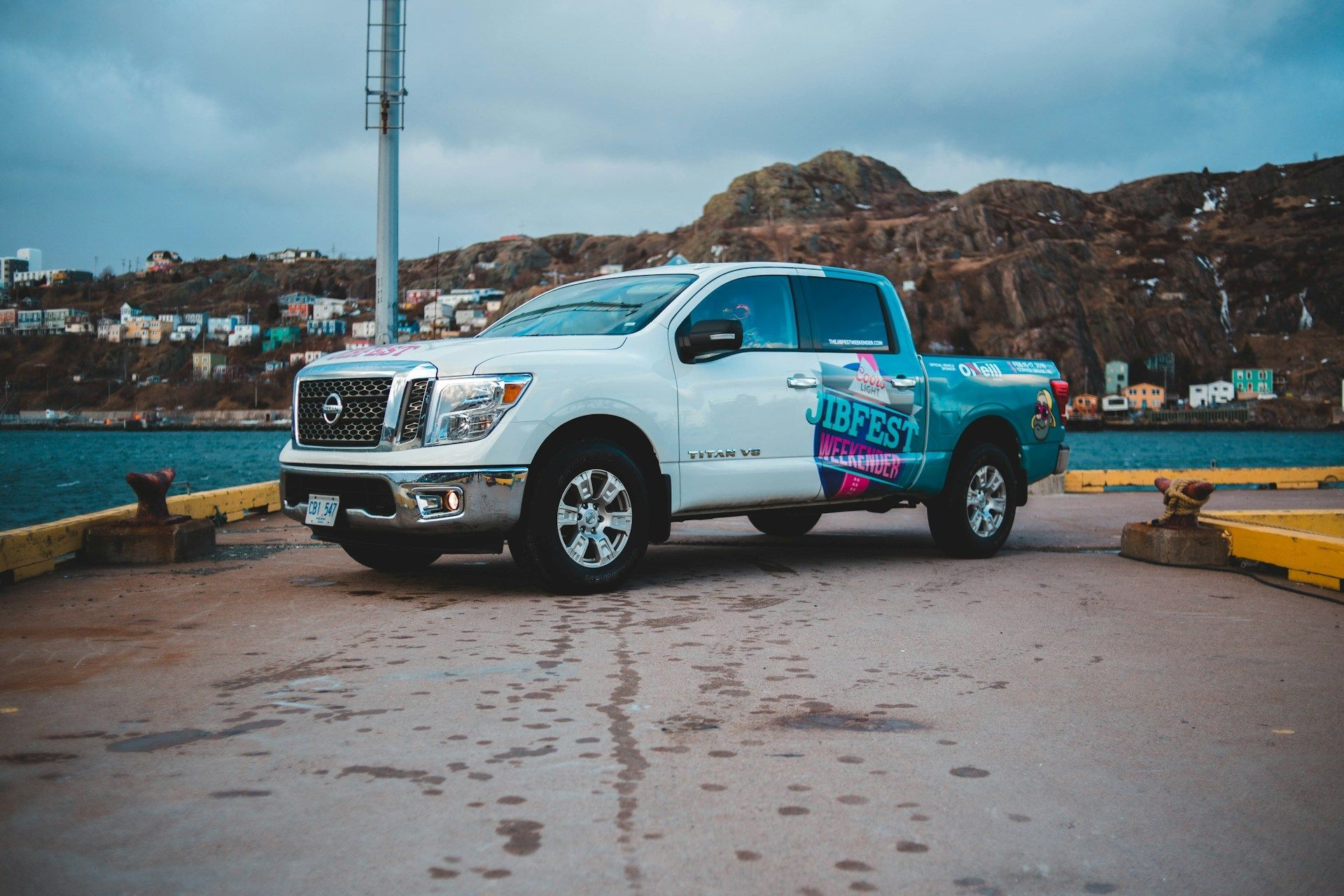
Learn how commercial vehicle wraps can deliver consistent, long-term brand impact across your fleet with smart planning and maintenance strategies
Fleets
April 12, 2026
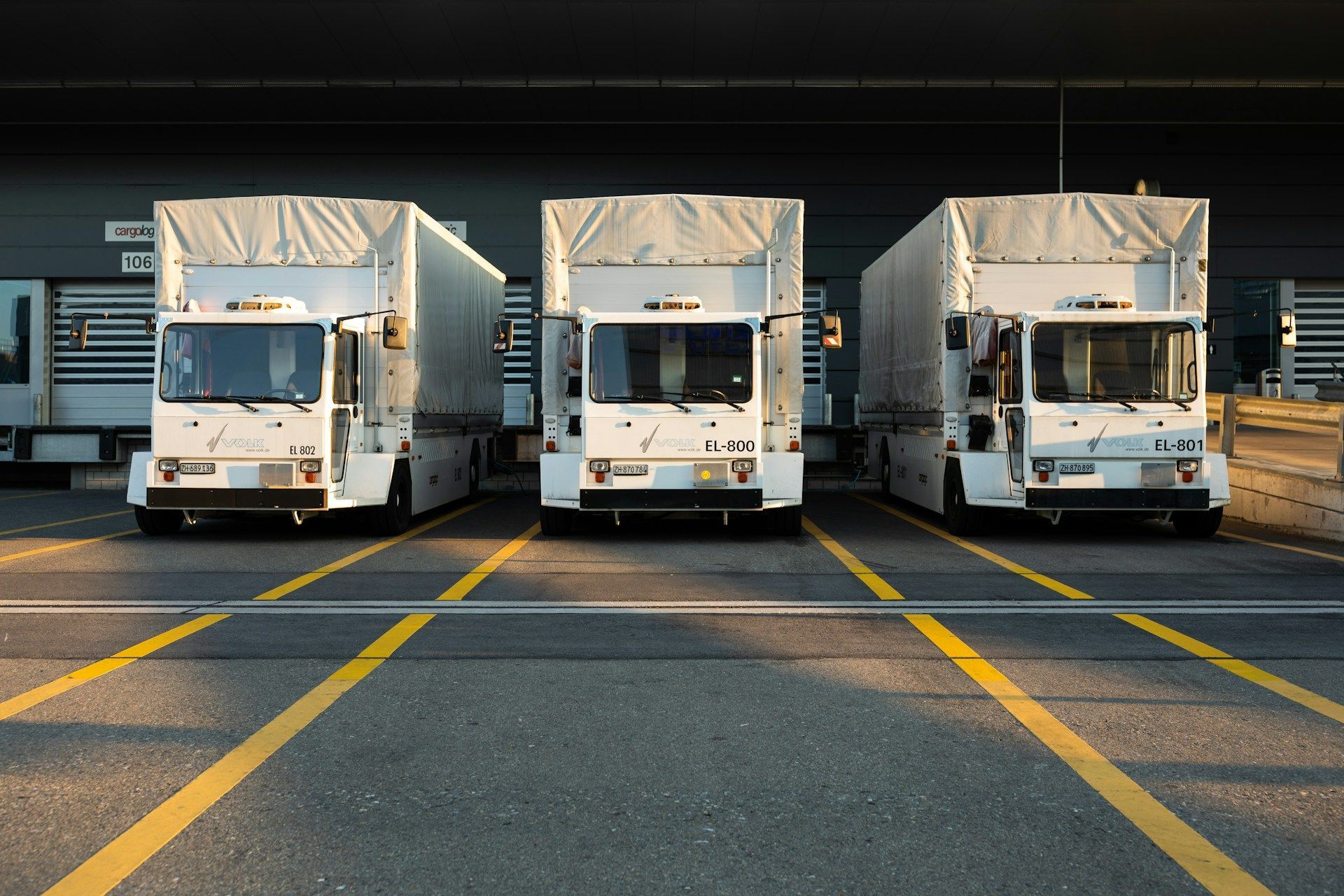
Learn why enterprises question in-house wrapping and how an enterprise vehicle wrap vendor improves quality, speed, and nationwide consistency
Fleet
April 12, 2026
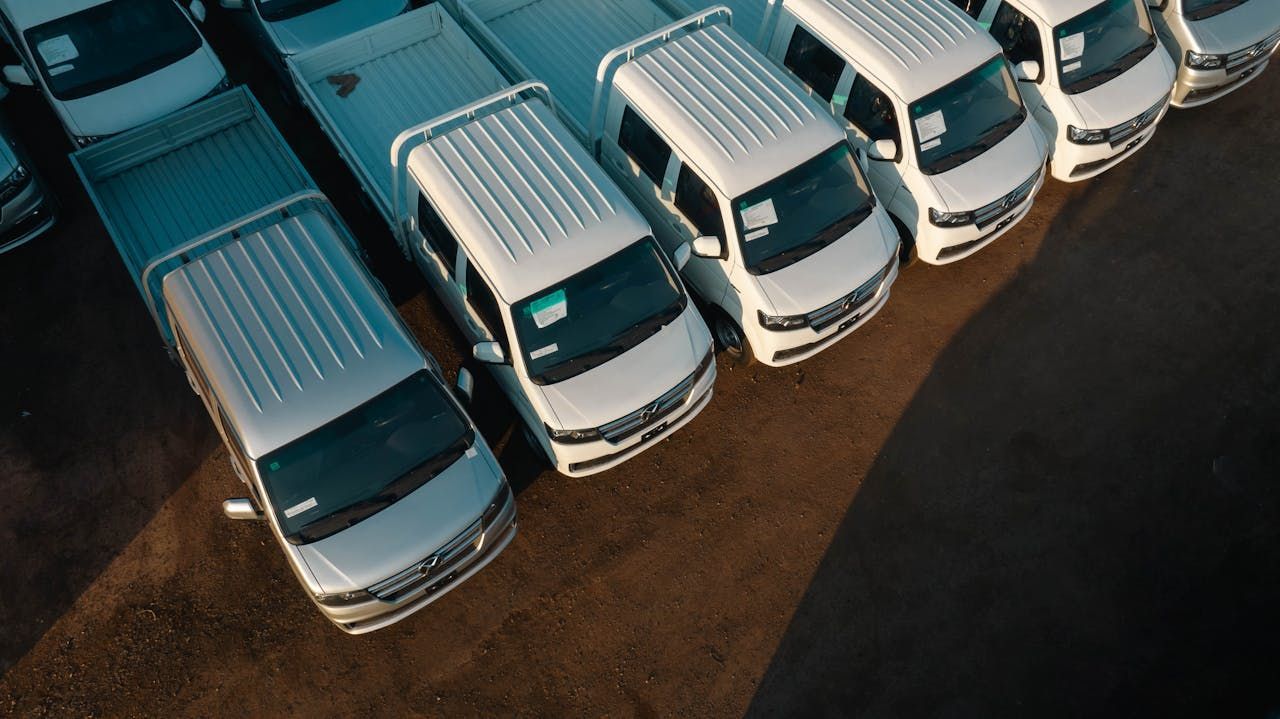
Learn how fleet branding services unify vehicle graphics and exterior signage to deliver consistent, recognizable branding across every location and route
March 31, 2026
Turn Fleet Wrap Chaos Into a Repeatable Win Fleet wrap installation across many locations can get messy fast. A few missed details, one rainy parking lot, or a poorly prepped van, and suddenly schedules slip, wraps fail, and drivers are waiting around. Every extra day a vehicle sits still is lost exposure and missed momentum for your brand. This is why installer-ready playbooks matter. When corporate teams, local managers, and installers all follow the same simple, clear standards, the chaos settles down. Site readiness, vehicle prep, and clean handoffs stop being guesswork and start becoming a repeatable win in every market, building dependable brand visibility mile after mile. At AGS, we live in that world of moving parts, logistics, and deadlines. As a nationwide fleet graphics and signage partner, we see what works and what slows fleets down. We partner with brands to turn complex rollouts into precise, predictable programs. In this article, we will walk through practical, installer-ready playbooks you can put in place so your wraps roll out faster, look sharper, and stay consistent across every city your brand touches, strengthening recognition every time your vehicles hit the road. Why Repeatable Fleet Wrap Standards Beat One-Off Heroics Many brands quietly lean on “hero” installers. You know the type: the person who can fix a bad file on the fly, adjust artwork at the last minute, and somehow pull off a clean wrap in a parking lot with poor light. That can work for a handful of vehicles. It does not hold up when you are rolling out hundreds across the country and aiming for a powerful, unified brand presence. When every location runs installs a different way, you get: Inconsistent finishes from market to market Wrong vinyl or laminate choices for certain climates Misread brand specs and off-tone colors Timelines that wobble with every scheduling change Uneven brand impact from one region to the next Playbooks give your team one shared play. They are written, repeatable procedures for fleet wrap installation that travel from city to city. They tell each local site what “ready” means, what success looks like, and how to handle edge cases, so every install supports the same strong brand story. Clear standards also make planning easier. Your internal schedulers can line up installs around driver shifts. Your marketing team can time launches for when roads get busier in spring and summer. When everyone knows the steps, no one has to guess, and your brand shows up on the road exactly when and where you want it to. Site-Ready Playbooks That Keep Installs on Schedule A site is “ready” when installers can work safely, efficiently, and without surprises. That usually means more than “we have a parking lot.” The right setup accelerates every step and protects the quality of your wraps. Strong site readiness covers things like: An indoor bay or a tented space when the weather is rough Power access and steady lighting Clean, open work areas with room to move ladders and tools Safe vehicle staging that does not block traffic or fire lanes A simple site readiness checklist for local teams might include: Access windows, gate codes, and security rules Parking layout, including where vehicles wait and where they move next Loading and unloading zones for graphics and tools Weather plans for rain, wind, snow, or extreme heat Any local rules for noise, hours, or safety gear Central teams can send this playbook to every branch before installs start. It can include diagrams that show traffic flow, photos of “good” and “bad” workspaces, and a short briefing sheet for the on-site contact. The goal is to remove mystery before installers arrive so the whole team can focus on quality and speed. Strong logistics are the glue here. When installers get clear arrival instructions, updated site maps, and a current contact list, they waste less time tracking down details and more time wrapping vehicles. That really matters when you are stacking multiple installs in the same market on tight timelines and working to launch a coordinated, visible brand presence. Vehicle Prep Standards That Protect Your Brand on the Road You can put perfect graphics on a poorly prepped vehicle and still end up with bubbles, lifting edges, and early failure. Prep is where long-lasting wraps and reliable brand impressions begin. An “installer-ready” vehicle should be: Fully washed and rinsed clean Degreased, with road film, tar, and wax removed Completely dry, including in seams and around trim Cleared of old graphics, adhesive, and temporary magnets Free of loose or aftermarket parts that block coverage wherever possible A simple pre-install vehicle prep checklist might look like this: Wash vehicles 24 hours before install, then keep them off dirt roads and heavy dust Remove roof racks, temporary signs, and magnets that sit where graphics will go Remove old decals and residue from previous branding Provide interior access if panels or doors must be opened for cleaner edges Flag any body damage or repairs ahead of time so artwork can be adjusted When fleet managers and installers agree on these standards, wraps go on faster and perform better. Adhesion improves. Bubbles and edge lifts drop. Wraps hold up better in heat, cold, and wet weather. The payoff is brand impact. Cleaner surfaces deliver sharper color, truer brand tones, and smooth edges that feel professional at the curb. Every mile your vehicles drive becomes a stronger, more confident advertisement, reinforcing your brand wherever your routes run. Precision Handoff Checklists That Crush Rework and Callbacks The handoff from your brand team to production and installation is where many fleets lose time and money. Files get updated but not shared. Vehicle details get missed. Local rules surprise everyone. A structured handoff process solves this and keeps everyone aligned. Start by locking in: Final art approvals and version numbers Panel maps that show exactly how graphics flow across doors and body lines Color targets that explain what “on brand” means in print Vehicle-specific measurements and photos For each unit, create a simple “wrap build sheet” that includes: VIN or asset ID and license plate Vehicle body style and trim level Coverage zones, such as full wrap, partial, or spot graphics Special notes like sensors, cameras, custom bumpers, or ladders Any local signage rules that might affect content or placement After install, a quick signoff checklist keeps quality tight: Walkaround inspection with the installer and local contact Photo documentation from key angles and close-ups of seams Clear defect criteria so everyone agrees on what is acceptable A single point of contact for any fix requests When every location follows the same handoff process, rework drops. Installers know what to expect. Corporate teams know what they will get back. And vehicles leave the bay ready for the road, delivering consistent, high-quality branding instead of heading back in for corrections. Scale Fleet Wrap Installation Across Locations Without Losing Quality Rolling this out nationwide works best in stages. Many fleets start with a pilot in a few markets, refine their checklists based on installer feedback, then roll out a sharpened version across the full network. Helpful tools include: Digital playbooks stored in a shared drive Cloud-based art and template libraries Mobile-friendly install standards for crews in the field Repeatable scheduling templates that fit your fleet size and route patterns Seasonal planning matters here too. Spring is a strong time to build your new baseline as fleets gear up for busy roads. Then you can adjust for summer heat, regional storms, and key campaign launches without starting over each time, keeping your branding efforts steady and strategic. A single nationwide graphics partner can keep all of this in sync. When design, print, and installation sit inside one coordinated system, every branch benefits from the same standards and the same attention to detail, whether you are wrapping a few vans or a full national fleet. That consistency turns your entire fleet into a unified, high-visibility brand platform. Put Your Fleet Wrap Playbook in Motion This is the moment to move from reactive installs to a clear, installer-ready system that works in every city, in every season. With strong site readiness, consistent vehicle prep, and tight handoff checklists, you can turn what used to be chaos into a steady, repeatable win, and a powerful, moving showcase for your brand. At AGS, we partner with brands to build these custom playbooks around their real-world fleets, timelines, and goals. Together, we align logistics, quality, and creative so every install works harder for your business. When every vehicle is wrapped right the first time and every market tells the same strong brand story, every mile your drivers log becomes proof that planning, precision, and collaboration pay off in lasting visibility and brand resonance. Get Started With Your Project Today If you are ready to put your vehicles to work as powerful mobile advertising, our team at AGS SEO can coordinate professional fleet wrap installation wherever you operate. We handle the logistics so you can focus on running your business while your branded fleet reaches more customers every day. To discuss timelines, locations, or specific project details, just contact us and we will help you plan the next steps.

sign
March 31, 2026
Learn how to plan, design, and install custom exterior signage that reinforces brand consistency across locations and boosts curb appeal.
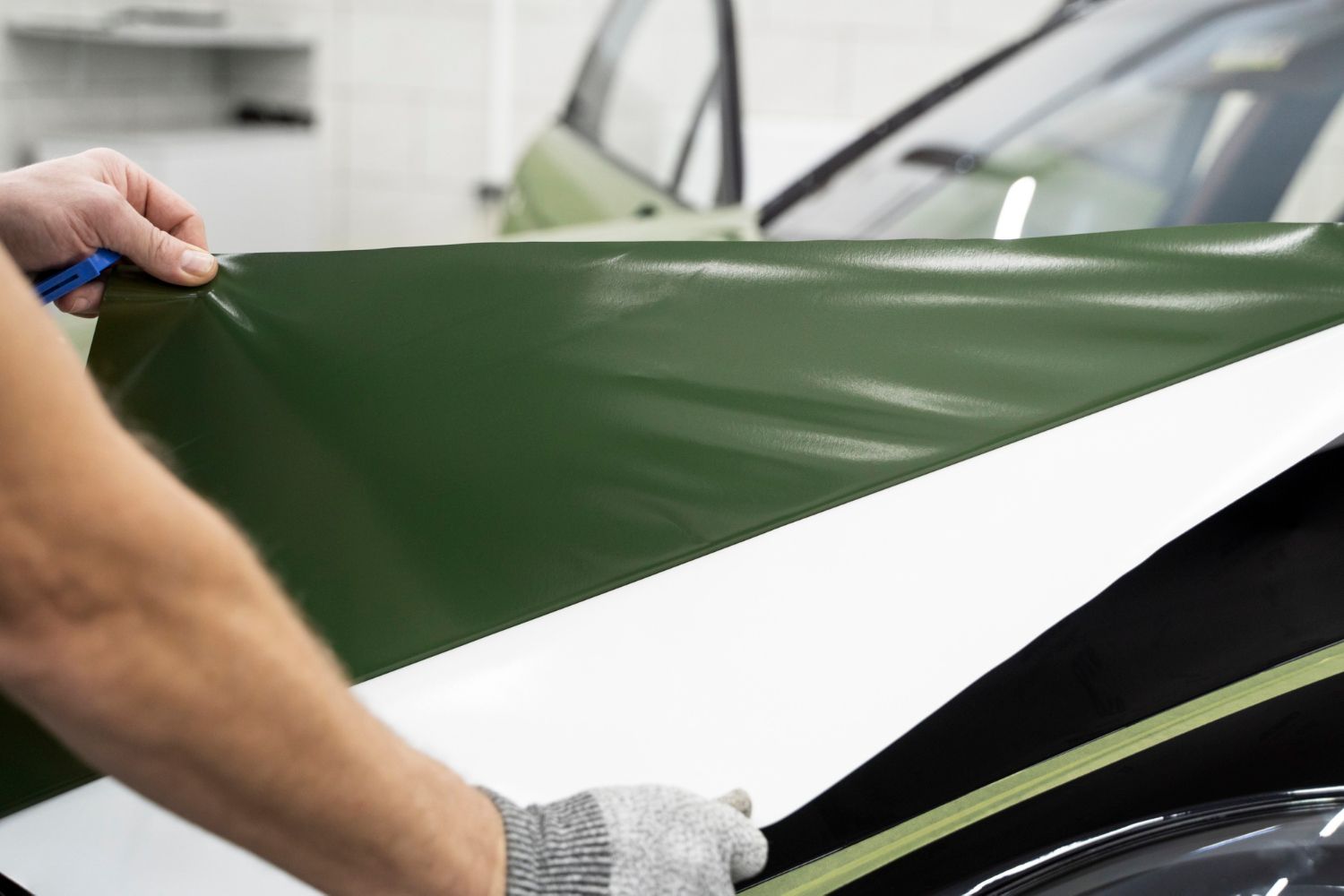
Two hands apply a glossy olive-green vinyl wrap to the curved body panel of a vehicle.
March 17, 2026
Learn how fleet graphics design uses clear messaging, human-centered visuals, and durable materials to help vehicles become memorable brand assets.
Show More