Designing Fleet Graphics That Sync with Real-World Routes

March 17, 2026

Share this article

Turn Your Fleet Routes Into Moving Billboards


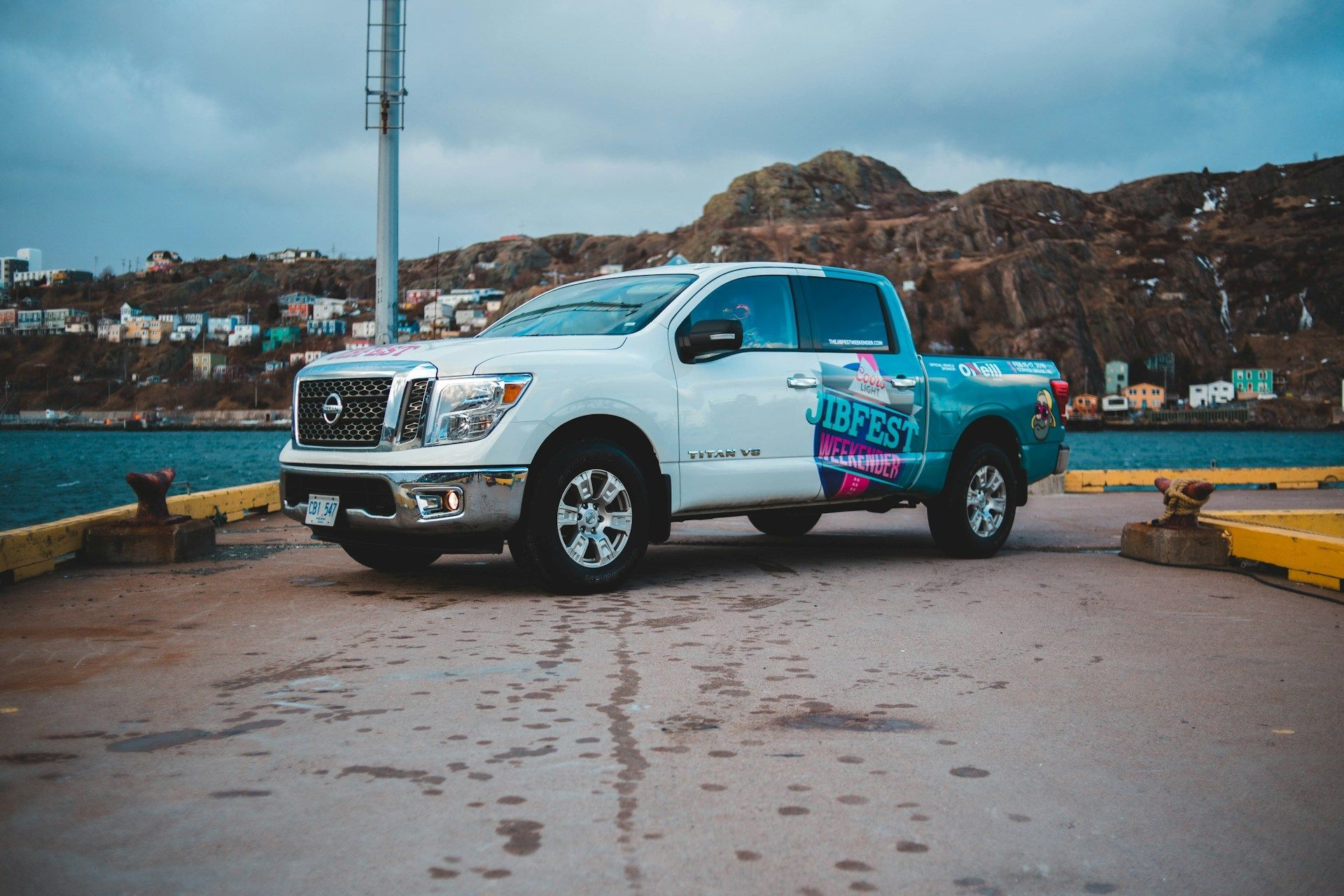
Fleet graphics perform at their best when they are built around how your vehicles really move every day. When your trucks and vans are out during rush hour, early spring can be a sweet spot: windows cracked open, more light in the sky, and people paying a little more attention to what is around them. When we match bold, clear graphics to those real-world routes, every mile becomes deliberate brand exposure instead of wasted space.


In this article, we will walk through how to blend route data, smart design, and simple planning so your fleet does more than deliver. Together, we will look at how routes shape layout choices, how speed and distance affect what people can read, and how timing and seasons matter. We will also touch on current best practices and trends in fleet graphics, like data-informed layout decisions and route-specific tracking tools. Our shared goal is to help you turn the roads you already drive into reliable, high-impact branding that amplifies your visibility.


Map the Journey Before You Design the Wrap


Strong fleet graphics start long before anyone opens a design file. They start with understanding where your vehicles actually go and how that movement can lift your brand. Before choosing colors or messages, it helps to think like a strategist, not just a driver.


Let’s look at your most common patterns together:


  • Which routes do your vehicles drive almost every day? 
  • What times are you usually on the road? 
  • How do patterns shift in spring, when daylight lasts longer and people drive more? 


When you know the answers, your design can work harder, turning everyday routes into consistent, high-frequency impressions.


Next, focus on where impressions really happen. Your brand gets the most attention in places where cars slow down or stop. That might include:


  • Busy intersections that back up during rush hour 
  • School zones where drivers move slowly 
  • Commercial districts near offices, shops, or warehouses 
  • Event areas where traffic builds before and after games or concerts 


These are the spots where people actually have time to notice your logo, your colors, and your message, and where the right wrap can boost brand recall noticeably.


Then turn those route insights into design decisions. Think about:


  • Typical viewing distance: Are most people one lane away, or watching from across a wide highway? 
  • Average speed: Are your vehicles crawling in city traffic, or moving quickly on open roads? 
  • Dwell time: Are people seeing your vehicle for a few seconds, or following behind it for several minutes? 


Those details should shape font size, color contrast, logo placement, and how long your message is. On fast routes, less text and bigger elements win. On slower, local streets, you can add a bit more detail without losing clarity.


This route-first approach mirrors a growing trend in fleet graphics: treating each vehicle as part of a targeted, moving media plan rather than a static, one-size-fits-all ad.


Design That Delivers at 65 Miles Per Hour


Once we understand your key routes, it is time to build a design that people can actually read in motion. At highway speed, drivers have just a short window to catch your brand. Clutter kills impact. Simplicity and hierarchy win.


Here are a few core rules that leading fleet brands rely on today:


  • Prioritize your brand first: your logo and core identity should be the stars. 
  • Use high-contrast colors so text pops against the vehicle body and the road scene. 
  • Keep copy short: a key benefit, a short tagline, or a simple call to action. 
  • Build a clear order of information so the eye knows where to look first. 


Next, design for every angle and lane. Many people only see a slice of your vehicle, not the whole thing. A driver may ride behind your van for miles but never see the sides. Someone next to your truck at a light might only see half of one panel.


We can plan for that by:


  • Placing your logo on both the sides and rear. 
  • Repeating key contact details so they are visible from different angles. 
  • Keeping important elements above wheel wells and away from handles and hinges. 
  • Making sure partial views still make sense and still feel on-brand. 


Color and imagery also need to stand out from the real environment. An all-gray wrap might vanish into a gray city backdrop. Light greens can blend into tree-lined suburban routes. A current best practice is to select a palette and imagery with enough contrast to cut through your typical surroundings.


Think about the typical scenes along your main paths. For example, on wide, sunny highways, stronger colors and clean shapes can cut through glare and open space. On dense urban streets, bolder typography and simplified icons can help your brand stand out from visual noise.


When all of this comes together, your fleet acts like a moving billboard network, carrying a clear, memorable message that reinforces your brand wherever it goes.


Sync Local Context, Seasons, and Brand Story


Fleet graphics design gets stronger when it feels rooted in the places your vehicles serve. Local context matters. When your trucks roll through sports-heavy cities, tourism areas, or dense industrial zones, your visuals can echo that energy while still staying on brand.


Together, we can:


  • Choose imagery that speaks to city life, outdoor fun, or industrial strength. 
  • Use language that makes sense for local audiences and how they talk. 
  • Highlight services that match the needs of neighborhoods along your routes. 


Then think about seasons. Early spring brings longer days, more sunshine, and more glare on wet roads. Colors that looked fine indoors can wash out on bright afternoons or in sudden rain. A growing design trend is to test palettes and materials in real outdoor conditions before committing.


To keep visibility strong across seasons:


  • Pick colors that stay bold in strong sun and cloudy light. 
  • Choose fonts that are thick enough to read at dusk or in drizzle. 
  • Avoid tiny details that disappear in low-contrast conditions. 


Finally, pull it all together into one moving story. Your vehicles might be different sizes and shapes, but they should still look like part of one strong family. That means:


  • A consistent core color palette. 
  • The same logo treatment across vehicles. 
  • A repeatable layout style, even if each wrap is slightly adjusted for size. 


When people see your fleet again and again along their daily commute, that steady visual rhythm builds recognition and trust. The right wrap system turns your fleet into a confident, unified presence that keeps your brand top of mind.


From Routes to ROI: Measure What Your Fleet Wraps Win


Once your graphics are on the road, you want to know what they are doing for the business. Here is where we can combine creative execution with practical, data-backed insights.


You can start by tying your known routes to simple impression estimates. Think about:


  • How many vehicles run those paths each day. 
  • How heavy traffic usually feels on those roads. 
  • How often you hit key hotspots like popular intersections or shopping areas. 


From there, connect visibility to actions. Together, we might track:


  • Inquiries that mention seeing your vehicles. 
  • Direct traffic to a simple, easy-to-remember URL on the wrap. 
  • Promo codes shown only on specific routes or regions. 


More fleets are also using route-based QR codes or local URLs. For example, you can:


  • Use one QR code on vehicles that serve downtown routes. 
  • Use another on trucks that stay in industrial zones. 
  • Compare which routes generate more scans, visits, or calls. 


Over time, that feedback can guide updates to your graphics, your routes, or both. When we treat design, routing, and tracking as one loop, we can keep improving and keep your fleet working harder for your brand.


At American Graphics & Signs, we work with fleets across the country, backed by an experienced design team and a trusted installer network. Together with our partners, we look at real routes, real conditions, and real brand goals, then build wraps and signage that elevate visibility and resonance with every mile. By pairing creative thinking with practical data, we help you transform everyday routes into a powerful, moving brand presence.


Get Started With Your Project Today


If you are ready to turn your vehicles into consistent, professional brand ambassadors, our team is here to help with expert
fleet graphics design tailored to your goals. At American Graphics & Signs, we collaborate with you to create graphics that fit your brand, your routes, and your budget. Tell us about your fleet and timeline, and we will guide you from concept through installation. Have questions or need a custom quote? Just contact us to get started.

Bring Your Fleet & Signage Strategy to Life


Talk with our team about fleet graphics, signage, or a full brand refresh.

Recent Posts

Fleet Vehicle
May 4, 2026
Learn how fleet vehicle wraps support ESG and sustainability goals with greener materials, smarter rollouts, and consistent brand visibility nationwide.
Fleet Graphics
May 4, 2026
Use a QA and QC framework for nationwide fleet graphics with checklists, tolerances, photo audits, and clear acceptance criteria by vehicle class and installer.
Exterior Signage
April 26, 2026
Discover how custom exterior signage boosts curb appeal, strengthens brand recognition, and turns passing foot traffic into loyal customers.
Commercial Signage
April 26, 2026
Learn how to create cohesive, durable commercial signage solutions that scale across locations while keeping your brand consistent and highly visible.
signage
April 20, 2026
Learn how enterprise teams standardize and streamline commercial signage solutions across locations with consistent design, production, and installs nationwide.
vehicle wraps
April 20, 2026
Learn how commercial vehicle wraps can deliver consistent, long-term brand impact across your fleet with smart planning and maintenance strategies
Fleets
April 12, 2026
Learn why enterprises question in-house wrapping and how an enterprise vehicle wrap vendor improves quality, speed, and nationwide consistency
Fleet
April 12, 2026
Learn how fleet branding services unify vehicle graphics and exterior signage to deliver consistent, recognizable branding across every location and route
March 31, 2026
Turn Fleet Wrap Chaos Into a Repeatable Win Fleet wrap installation across many locations can get messy fast. A few missed details, one rainy parking lot, or a poorly prepped van, and suddenly schedules slip, wraps fail, and drivers are waiting around. Every extra day a vehicle sits still is lost exposure and missed momentum for your brand. This is why installer-ready playbooks matter. When corporate teams, local managers, and installers all follow the same simple, clear standards, the chaos settles down. Site readiness, vehicle prep, and clean handoffs stop being guesswork and start becoming a repeatable win in every market, building dependable brand visibility mile after mile. At AGS, we live in that world of moving parts, logistics, and deadlines. As a nationwide fleet graphics and signage partner, we see what works and what slows fleets down. We partner with brands to turn complex rollouts into precise, predictable programs. In this article, we will walk through practical, installer-ready playbooks you can put in place so your wraps roll out faster, look sharper, and stay consistent across every city your brand touches, strengthening recognition every time your vehicles hit the road. Why Repeatable Fleet Wrap Standards Beat One-Off Heroics Many brands quietly lean on “hero” installers. You know the type: the person who can fix a bad file on the fly, adjust artwork at the last minute, and somehow pull off a clean wrap in a parking lot with poor light. That can work for a handful of vehicles. It does not hold up when you are rolling out hundreds across the country and aiming for a powerful, unified brand presence. When every location runs installs a different way, you get: Inconsistent finishes from market to market Wrong vinyl or laminate choices for certain climates Misread brand specs and off-tone colors Timelines that wobble with every scheduling change Uneven brand impact from one region to the next Playbooks give your team one shared play. They are written, repeatable procedures for fleet wrap installation that travel from city to city. They tell each local site what “ready” means, what success looks like, and how to handle edge cases, so every install supports the same strong brand story. Clear standards also make planning easier. Your internal schedulers can line up installs around driver shifts. Your marketing team can time launches for when roads get busier in spring and summer. When everyone knows the steps, no one has to guess, and your brand shows up on the road exactly when and where you want it to. Site-Ready Playbooks That Keep Installs on Schedule A site is “ready” when installers can work safely, efficiently, and without surprises. That usually means more than “we have a parking lot.” The right setup accelerates every step and protects the quality of your wraps. Strong site readiness covers things like: An indoor bay or a tented space when the weather is rough Power access and steady lighting Clean, open work areas with room to move ladders and tools Safe vehicle staging that does not block traffic or fire lanes A simple site readiness checklist for local teams might include: Access windows, gate codes, and security rules Parking layout, including where vehicles wait and where they move next Loading and unloading zones for graphics and tools Weather plans for rain, wind, snow, or extreme heat Any local rules for noise, hours, or safety gear Central teams can send this playbook to every branch before installs start. It can include diagrams that show traffic flow, photos of “good” and “bad” workspaces, and a short briefing sheet for the on-site contact. The goal is to remove mystery before installers arrive so the whole team can focus on quality and speed. Strong logistics are the glue here. When installers get clear arrival instructions, updated site maps, and a current contact list, they waste less time tracking down details and more time wrapping vehicles. That really matters when you are stacking multiple installs in the same market on tight timelines and working to launch a coordinated, visible brand presence. Vehicle Prep Standards That Protect Your Brand on the Road You can put perfect graphics on a poorly prepped vehicle and still end up with bubbles, lifting edges, and early failure. Prep is where long-lasting wraps and reliable brand impressions begin. An “installer-ready” vehicle should be: Fully washed and rinsed clean Degreased, with road film, tar, and wax removed Completely dry, including in seams and around trim Cleared of old graphics, adhesive, and temporary magnets Free of loose or aftermarket parts that block coverage wherever possible A simple pre-install vehicle prep checklist might look like this: Wash vehicles 24 hours before install, then keep them off dirt roads and heavy dust Remove roof racks, temporary signs, and magnets that sit where graphics will go Remove old decals and residue from previous branding Provide interior access if panels or doors must be opened for cleaner edges Flag any body damage or repairs ahead of time so artwork can be adjusted When fleet managers and installers agree on these standards, wraps go on faster and perform better. Adhesion improves. Bubbles and edge lifts drop. Wraps hold up better in heat, cold, and wet weather. The payoff is brand impact. Cleaner surfaces deliver sharper color, truer brand tones, and smooth edges that feel professional at the curb. Every mile your vehicles drive becomes a stronger, more confident advertisement, reinforcing your brand wherever your routes run. Precision Handoff Checklists That Crush Rework and Callbacks The handoff from your brand team to production and installation is where many fleets lose time and money. Files get updated but not shared. Vehicle details get missed. Local rules surprise everyone. A structured handoff process solves this and keeps everyone aligned. Start by locking in: Final art approvals and version numbers Panel maps that show exactly how graphics flow across doors and body lines Color targets that explain what “on brand” means in print Vehicle-specific measurements and photos For each unit, create a simple “wrap build sheet” that includes: VIN or asset ID and license plate Vehicle body style and trim level Coverage zones, such as full wrap, partial, or spot graphics Special notes like sensors, cameras, custom bumpers, or ladders Any local signage rules that might affect content or placement After install, a quick signoff checklist keeps quality tight: Walkaround inspection with the installer and local contact Photo documentation from key angles and close-ups of seams Clear defect criteria so everyone agrees on what is acceptable A single point of contact for any fix requests When every location follows the same handoff process, rework drops. Installers know what to expect. Corporate teams know what they will get back. And vehicles leave the bay ready for the road, delivering consistent, high-quality branding instead of heading back in for corrections. Scale Fleet Wrap Installation Across Locations Without Losing Quality Rolling this out nationwide works best in stages. Many fleets start with a pilot in a few markets, refine their checklists based on installer feedback, then roll out a sharpened version across the full network. Helpful tools include: Digital playbooks stored in a shared drive Cloud-based art and template libraries Mobile-friendly install standards for crews in the field Repeatable scheduling templates that fit your fleet size and route patterns Seasonal planning matters here too. Spring is a strong time to build your new baseline as fleets gear up for busy roads. Then you can adjust for summer heat, regional storms, and key campaign launches without starting over each time, keeping your branding efforts steady and strategic. A single nationwide graphics partner can keep all of this in sync. When design, print, and installation sit inside one coordinated system, every branch benefits from the same standards and the same attention to detail, whether you are wrapping a few vans or a full national fleet. That consistency turns your entire fleet into a unified, high-visibility brand platform. Put Your Fleet Wrap Playbook in Motion This is the moment to move from reactive installs to a clear, installer-ready system that works in every city, in every season. With strong site readiness, consistent vehicle prep, and tight handoff checklists, you can turn what used to be chaos into a steady, repeatable win, and a powerful, moving showcase for your brand. At AGS, we partner with brands to build these custom playbooks around their real-world fleets, timelines, and goals. Together, we align logistics, quality, and creative so every install works harder for your business. When every vehicle is wrapped right the first time and every market tells the same strong brand story, every mile your drivers log becomes proof that planning, precision, and collaboration pay off in lasting visibility and brand resonance. Get Started With Your Project Today If you are ready to put your vehicles to work as powerful mobile advertising, our team at AGS SEO can coordinate professional fleet wrap installation wherever you operate. We handle the logistics so you can focus on running your business while your branded fleet reaches more customers every day. To discuss timelines, locations, or specific project details, just contact us and we will help you plan the next steps.
sign
March 31, 2026
Learn how to plan, design, and install custom exterior signage that reinforces brand consistency across locations and boosts curb appeal.
Show More